ֱ

Healthcare Innovation Stories

UAB presents at 16th Annual Academic Surgical Congress showing 94.7% patient activation with Patient Engagement Technology

September 9, 2021
By
seamless

UAB recently presented an abstract at the 16th Annual Academic Surgical Congress entitled, “” which examines the key factors behind why Colorectal, Cardiac, Thoracic and Gynecology patients may or may not choose to enroll in a PET. Specifically, the study explores the association of patient demographics and insurance status on declining to enroll in a PET.


Here are the key takeaways from the study:

  • Patient adoption of PET patients undergoing major surgery is high (94.7%)
  • Older patients & patients who are not privately insured are more likely to decline PET enrollment
  • PET technology is not universally adopted by all patients; therefore, alternative resources should be provided for patients who do not use PET

These results reveal that in order to achieve ideal clinical outcomes with Patient Engagement Technology, it is important to consider and address factors contributing to lower patient adoption rates before implementation. See below for a summary of the data and key takeaways from the study or

UAB presents at 16th Annual Academic Surgical Congress showing 94.7% patient activation with Patient Engagement Technology

Posted by:
seamless
on
September 9, 2021

UAB recently presented an abstract at the 16th Annual Academic Surgical Congress entitled, “” which examines the key factors behind why Colorectal, Cardiac, Thoracic and Gynecology patients may or may not choose to enroll in a PET. Specifically, the study explores the association of patient demographics and insurance status on declining to enroll in a PET.


Here are the key takeaways from the study:

  • Patient adoption of PET patients undergoing major surgery is high (94.7%)
  • Older patients & patients who are not privately insured are more likely to decline PET enrollment
  • PET technology is not universally adopted by all patients; therefore, alternative resources should be provided for patients who do not use PET

These results reveal that in order to achieve ideal clinical outcomes with Patient Engagement Technology, it is important to consider and address factors contributing to lower patient adoption rates before implementation. See below for a summary of the data and key takeaways from the study or


Recent news from ֱ

233: Northwestern's CMO, Pop Health Dr. Amish Desai: Making 2,500 AI Calls in 5 Days that Patients Loved,  The Scale-First Rule That Kills Pilotitus, and Why You Should Judge AI by the Alternative
July 23, 2026

233: Northwestern's CMO, Pop Health Dr. Amish Desai: Making 2,500 AI Calls in 5 Days that Patients Loved,  The Scale-First Rule That Kills Pilotitus, and Why You Should Judge AI by the Alternative

Learn More
232: AMDIS 2026 Recap: The Clinical Informatics Conference So Good Our Own Podcast Hosts Showed Up, Moving from AI Anxiety to AI Operations, and the Uber That Nearly Escaped Us at the Spa
July 10, 2026

232: AMDIS 2026 Recap: The Clinical Informatics Conference So Good Our Own Podcast Hosts Showed Up, Moving from AI Anxiety to AI Operations, and the Uber That Nearly Escaped Us at the Spa

Learn More
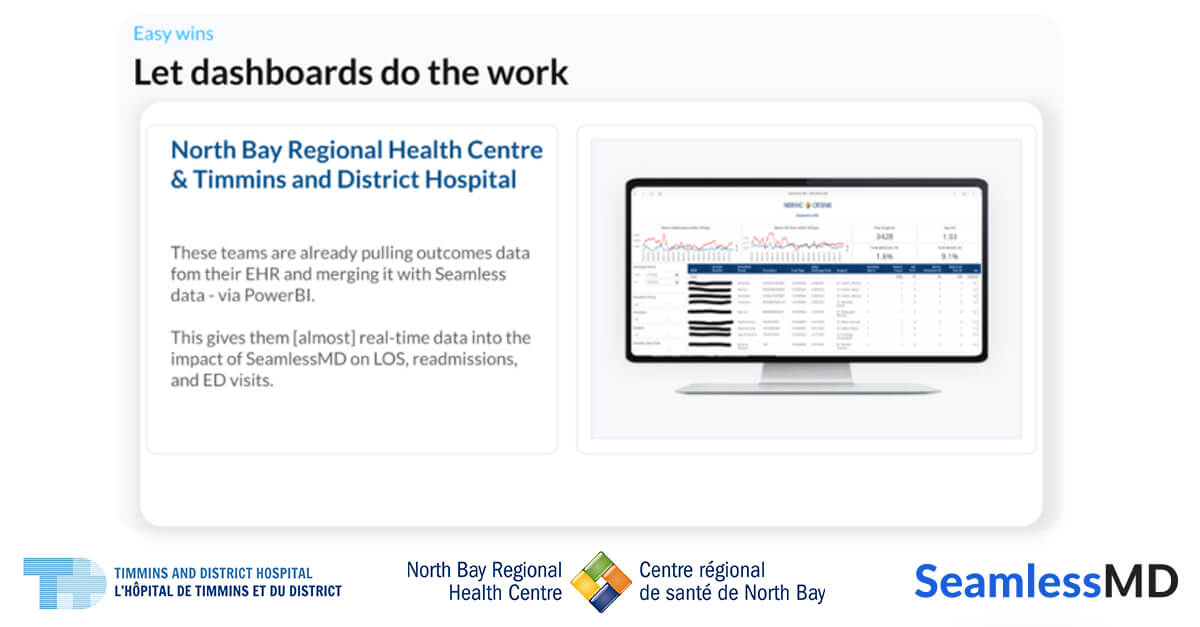
Innovation Spotlight: How North Bay Regional Health Centre and Timmins and District Hospital Built a Real-Time Dashboard to Measure the Impact of Digital Health
June 29, 2026

Innovation Spotlight: How North Bay Regional Health Centre and Timmins and District Hospital Built a Real-Time Dashboard to Measure the Impact of Digital Health

Learn More