伊人直播

Digital Patient Podcast

伊人直播 Podcast - Episode 38 - Penn Study Review: Engaging Patients with Text Messages to Understand Post-Op Opioid Consumption

April 6, 2021
By
seamless

Subscribe on: | | | | |

Video:

In this episode of the 伊人直播 Podcast, Dr. Joshua Liu, CEO at 伊人直播 & Marketing colleague, Alan Sardana, review a recent publication from JAMA, ""*. See the full show notes below for details.

*Agarwal AK, Lee D, Ali Z, et al. Patient-Reported Opioid Consumption and Pain Intensity After Common Orthopedic and Urologic Surgical Procedures With Use of an Automated Text Messaging System. JAMA Netw Open. 2021;4(3):e213243. doi:10.1001/jamanetworkopen.2021.3243.

Guest(s): Dr. Joshua Liu (), Co-founder & CEO at 伊人直播

Episode 38 鈥 Show notes:

[0:41] Introducing the JAMA article in review: 鈥淧atient-Reported Opioid Consumption and Pain Intensity After Common Orthopedic and Urologic Surgical Procedures With Use of an Automated Text Messaging System鈥 by Anish K. Agarwal, MD, MPH, MS, assistant professor of Emergency Medicine at the University of Pennsylvania, Daniel Lee, MD, MS, Assistant Professor of Urology at the University of Pennsylvania, and Zarina Ali, MD, MS, Assistant Professor of Neurosurgery at the University of Pennsylvania;

[2:20] Why we chose toreview this particular article as it leverages digital technology (automated text-messaging)to collect patient-reported data and why the paper is important for curbing theopioid crisis;

[05:26] Discussing the study design; how the study authors maintained their standard of care (with respect to opioid stewardship) and implemented an automated text messaging system to survey patients on post-op day 4, 7, 14, 21, and 28 on three metrics: Pain (0-10), Ability to manage pain (0-10), and number of opioid tablets consumed (for prescription comparison);

[07:08] How the study鈥檚opt-in nature inferred a selection bias (discussed in the 鈥渓imitations鈥 sectionof the paper);

[08:49] Discussing the primary and secondary outcomes of the study 鈥

Primary: Difference between number of opioids prescribed and patient-reported consumption;

Secondary: Self-reported pain scores and ability to manage pain;

[09:15] How the automated text message surveys would stop if a patient-reported consuming 0 pills;

[10:22] Discussing the characteristics of consenting vs declining patients, the self-reported pain scores, and the self-reported ability to manage pain;

Characteristics of Patients Consenting or Declining to Text Message Data Collection:

Patient-Reported Opioid Use and Pain After Orthopedic or Urologic Surgery https://ja.ma/2PC75KU

How the average pain scores for orthopedic surgery patients was 4.72 on post-op day 4, with a reduction of -0.4 by post-op day 21;

Patient-Reported Opioid Use and Pain After Orthopedic or Urologic Surgery https://ja.ma/2PC75KU

How the average pain scores for urology patients was 3.48 on post-op day 4, with a reduction of -1.5 by post-op day 21;

Patient-Reported Opioid Use and Pain After Orthopedic or Urologic Surgery https://ja.ma/2PC75KU

[13:05] Discussing the difference in opioid tablets prescribed vs patient-reported consumption;

For orthopedic surgery, the median number of opioid tablets prescribed was 20 and the median consumed was 6 (30%);

For urology, the median number of opioid tablets prescribed was 7, and the median consumed was 1;

Patient-Reported Opioid Use and Pain After Orthopedic or Urologic Surgery https://ja.ma/2PC75KU

Discussing how 9,452 out of the 15,581 (61%) total tablets prescribed went unused (combined orthopedic and urologic surgical procedures) as per patient-report data;

[19:11] Why limitations suchas sample size, reliability of self-reported data, and the Hawthorne effect arediscussed in the 鈥渓imitations鈥 section of the paper as they are importantfactors to consider, yet how there remains a large discrepancy between opioidprescription and self-reported consumption;

[24:31] Why acting on the data is the most important step in curbing the opioid crisis and how following Pareto鈥檚 principle and/or a graduating reduction of prescription practice may be a step in the right direction while maintaining patient safety and ethics;

[37:07] How the University of Michigan has done tremendous work reducing opioid prescriptions by setting accurate patient expectations of pain 鈥 weighing Quality of Life on a long-term scale, with heavy consideration for the potential of negative effects from opioids;
伊人直播 Podcast - Episode 38 - Penn Study Review: Engaging Patients with Text Messages to Understand Post-Op Opioid Consumption

Posted by:
seamless
on
April 6, 2021

Subscribe on: | | | | |

Video:

In this episode of the 伊人直播 Podcast, Dr. Joshua Liu, CEO at 伊人直播 & Marketing colleague, Alan Sardana, review a recent publication from JAMA, ""*. See the full show notes below for details.

*Agarwal AK, Lee D, Ali Z, et al. Patient-Reported Opioid Consumption and Pain Intensity After Common Orthopedic and Urologic Surgical Procedures With Use of an Automated Text Messaging System. JAMA Netw Open. 2021;4(3):e213243. doi:10.1001/jamanetworkopen.2021.3243.

Guest(s): Dr. Joshua Liu (), Co-founder & CEO at 伊人直播

Episode 38 鈥 Show notes:

[0:41] Introducing the JAMA article in review: 鈥淧atient-Reported Opioid Consumption and Pain Intensity After Common Orthopedic and Urologic Surgical Procedures With Use of an Automated Text Messaging System鈥 by Anish K. Agarwal, MD, MPH, MS, assistant professor of Emergency Medicine at the University of Pennsylvania, Daniel Lee, MD, MS, Assistant Professor of Urology at the University of Pennsylvania, and Zarina Ali, MD, MS, Assistant Professor of Neurosurgery at the University of Pennsylvania;

[2:20] Why we chose toreview this particular article as it leverages digital technology (automated text-messaging)to collect patient-reported data and why the paper is important for curbing theopioid crisis;

[05:26] Discussing the study design; how the study authors maintained their standard of care (with respect to opioid stewardship) and implemented an automated text messaging system to survey patients on post-op day 4, 7, 14, 21, and 28 on three metrics: Pain (0-10), Ability to manage pain (0-10), and number of opioid tablets consumed (for prescription comparison);

[07:08] How the study鈥檚opt-in nature inferred a selection bias (discussed in the 鈥渓imitations鈥 sectionof the paper);

[08:49] Discussing the primary and secondary outcomes of the study 鈥

Primary: Difference between number of opioids prescribed and patient-reported consumption;

Secondary: Self-reported pain scores and ability to manage pain;

[09:15] How the automated text message surveys would stop if a patient-reported consuming 0 pills;

[10:22] Discussing the characteristics of consenting vs declining patients, the self-reported pain scores, and the self-reported ability to manage pain;

Characteristics of Patients Consenting or Declining to Text Message Data Collection:

Patient-Reported Opioid Use and Pain After Orthopedic or Urologic Surgery https://ja.ma/2PC75KU

How the average pain scores for orthopedic surgery patients was 4.72 on post-op day 4, with a reduction of -0.4 by post-op day 21;

Patient-Reported Opioid Use and Pain After Orthopedic or Urologic Surgery https://ja.ma/2PC75KU

How the average pain scores for urology patients was 3.48 on post-op day 4, with a reduction of -1.5 by post-op day 21;

Patient-Reported Opioid Use and Pain After Orthopedic or Urologic Surgery https://ja.ma/2PC75KU

[13:05] Discussing the difference in opioid tablets prescribed vs patient-reported consumption;

For orthopedic surgery, the median number of opioid tablets prescribed was 20 and the median consumed was 6 (30%);

For urology, the median number of opioid tablets prescribed was 7, and the median consumed was 1;

Patient-Reported Opioid Use and Pain After Orthopedic or Urologic Surgery https://ja.ma/2PC75KU

Discussing how 9,452 out of the 15,581 (61%) total tablets prescribed went unused (combined orthopedic and urologic surgical procedures) as per patient-report data;

[19:11] Why limitations suchas sample size, reliability of self-reported data, and the Hawthorne effect arediscussed in the 鈥渓imitations鈥 section of the paper as they are importantfactors to consider, yet how there remains a large discrepancy between opioidprescription and self-reported consumption;

[24:31] Why acting on the data is the most important step in curbing the opioid crisis and how following Pareto鈥檚 principle and/or a graduating reduction of prescription practice may be a step in the right direction while maintaining patient safety and ethics;

[37:07] How the University of Michigan has done tremendous work reducing opioid prescriptions by setting accurate patient expectations of pain 鈥 weighing Quality of Life on a long-term scale, with heavy consideration for the potential of negative effects from opioids;


Recent news from 伊人直播

233: Northwestern's CMO, Pop Health Dr. Amish Desai: Making 2,500 AI Calls in 5 Days that Patients Loved,聽 The Scale-First Rule That Kills Pilotitus, and Why You Should Judge AI by the Alternative
July 23, 2026

233: Northwestern's CMO, Pop Health Dr. Amish Desai: Making 2,500 AI Calls in 5 Days that Patients Loved,聽 The Scale-First Rule That Kills Pilotitus, and Why You Should Judge AI by the Alternative

Learn More
232: AMDIS 2026 Recap: The Clinical Informatics Conference So Good Our Own Podcast Hosts Showed Up, Moving from AI Anxiety to AI Operations, and the Uber That Nearly Escaped Us at the Spa
July 10, 2026

232: AMDIS 2026 Recap: The Clinical Informatics Conference So Good Our Own Podcast Hosts Showed Up, Moving from AI Anxiety to AI Operations, and the Uber That Nearly Escaped Us at the Spa

Learn More
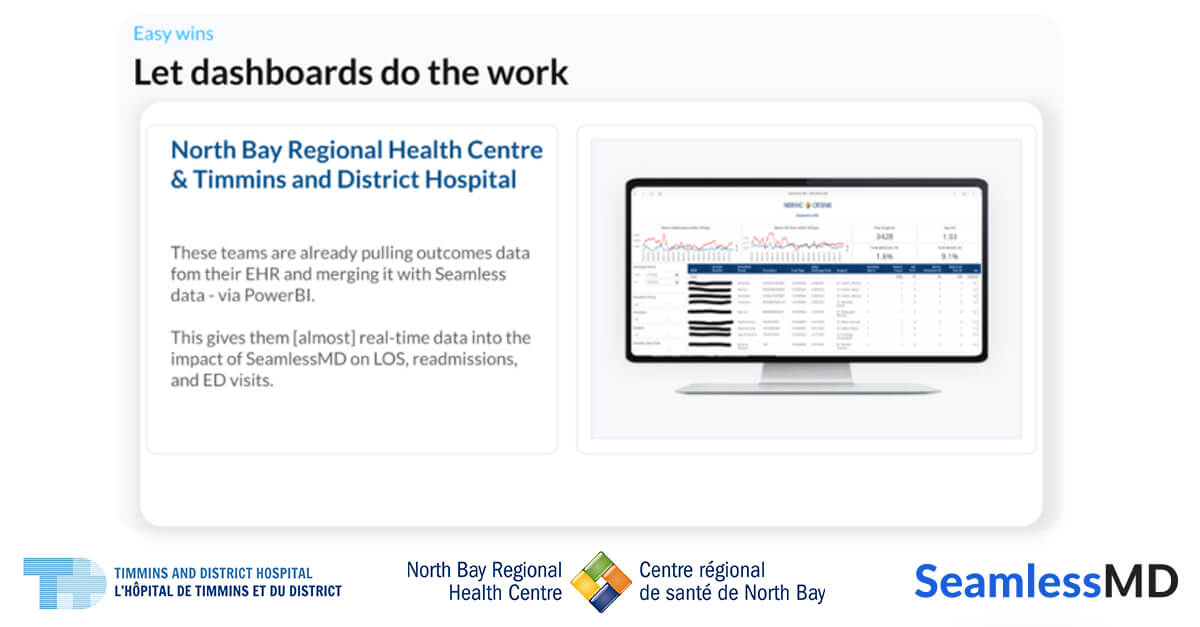
Innovation Spotlight: How North Bay Regional Health Centre and Timmins and District Hospital Built a Real-Time Dashboard to Measure the Impact of Digital Health
June 29, 2026

Innovation Spotlight: How North Bay Regional Health Centre and Timmins and District Hospital Built a Real-Time Dashboard to Measure the Impact of Digital Health

Learn More